Ruta de los Siete Lagos: Patagonia’s Azure Corridor from Villa La Angostura to San Martín de los Andes
A 110 km ribbon of RN40 threads past mirror-bright lagoons, lenga forests, and Andean peaks. Drive, bus, or cycle between Villa La Angostura and San Martín de los Andes with scenic stops and easy trails.
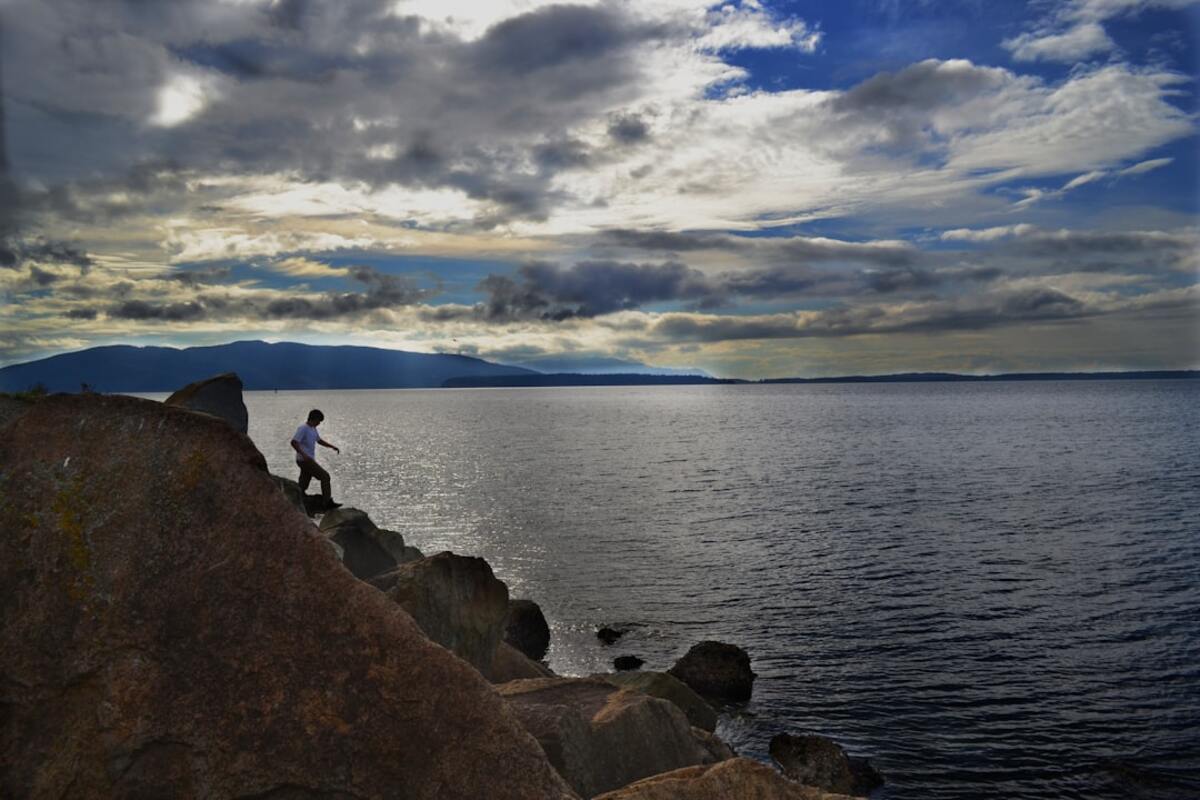
- 110 km of fully paved RN40 with frequent viewpoints and short walks
- Best seasons: late spring wildflowers and autumn foliage; summer is busiest
- No fuel between towns—fill up before you go; offline maps recommended
Between the storybook chalets of Villa La Angostura and the cedar-scented streets of San Martín de los Andes lies a stretch of RN40 lionized on postcards and windshields alike: the Ruta de los Siete Lagos, the Seven Lakes Road. Its fame isn’t just about numbers. Yes, you’ll count a chain of highland lakes in moody shades from bottle-green to glacial blue. But what makes this drive irresistible is how easily it shares its drama: pullouts that appear right where the shoreline cracks open; short, well-marked paths leading from the asphalt to river mouths and headland terraces; campgrounds tucked discreetly under lenga trees. It’s a route made for dawdling.
The classic ‘seven’ can vary by local telling, but most travelers will meet at least these: Espejo, Correntoso, Escondido, Villarino, Falkner, Machónico, and Lácar. Add nearby Hermoso and the broad reach of Nahuel Huapi near the starting town, and you’ll realize the name is more a promise of abundance than a strict inventory. With the Andes shouldering the horizon and condors lofting the updrafts, this is Patagonia distilled into a half-day drive you’ll want to stretch into two.
Why this road stands out
Many scenic byways ask for endurance: gravel stamina, mountain-pass bravado, or long days without services. The Seven Lakes Road is welcoming. It’s fully paved, signed, and serviced at either end by towns with artisan breweries, bakeries, and outfitters. You can experience it by rental car, join a day tour, or take the bus and walk short segments between stops. Cyclists come for the rolling terrain and lake-to-lake rhythm; photographers return for the changing moods of water and sky.
Two national parks frame the journey. Leaving Villa La Angostura, you first trace the edges of Nahuel Huapi National Park, one of Argentina’s oldest. Closer to San Martín de los Andes, you cross into Lanín National Park, named for the perfect cone of Lanín volcano that sometimes peeks from the skyline. The border between parks is invisible on the ground, but you’ll feel the shift in forest character: coihue and lenga give way to stretches of native cypress and canelo, with occasional stands of arrayán glowing rust-orange in the shade.
Driving time with no stops is roughly 2.5 hours, but that misses the point. The rhythm of this route is gentle: stop, stroll, sip water by a pebbled shore, and watch a child throw the first skipping stone of the day. A safe day plan includes five to eight leisurely stops and at least one short trail to a mirador. If you split the route over two days, camp by a lake or overnight at a simple hostería and let the twilight gild the snowlines.

When to go and how to travel
Weather shapes the experience. December to March is high summer: warm lake swims, long evenings, and the liveliest campgrounds. It’s also the busiest period, so start early and book lodging ahead. October–November brings spring wildflowers and brisk winds that polish the lakes into bright mirrors. April–May is a sleeper favorite: lenga forests flame into apricot and crimson, mornings steam over cold water, and the traffic thins. From June to August, snow and black ice are possible; the road is maintained, but winter tires and caution are essential.
Choose your mode:
- Self-drive: The most flexible. Any standard vehicle is fine in dry conditions. Fill up in Villa La Angostura or San Martín—there are no fuel stations between. Expect sporadic mobile signal; download offline maps before departure.
- Bus or tour: Daily buses connect the towns and trace the lakes. Organized excursions include curated stops and commentary. If you ride the bus independently, confirm whether intermediate stops are permitted on your ticket.
- Cycling: Rolling terrain with notable climbs near Falkner and Machónico. Shoulders are narrow; ride early to avoid traffic, use high-visibility gear, and plan water refills at lake access points. Winds can be a decisive factor.
Two national parks oversee most of the shoreline. There’s no toll or park fee to drive the road, but camping, parking at certain day-use areas, and some trailheads may charge modest fees or require registration during high season. Respect closures and fire bans—Patagonia’s forests recover slowly.
Turnoffs, viewpoints, and short walks you’ll actually remember
Distances below are approximate from the Villa La Angostura turnoff onto RN40 heading north. You can drive the route in either direction with equal reward.
| Stop | Km from VLA | Why stop | Best light |
|---|---|---|---|
| Lago Espejo Sur | 12 km | Glass-still bay framed by dark forest; easy beach access | Morning |
| Lago Correntoso Outflow | 16 km | Short path to the world’s ‘shortest river’; emerald flow | Late morning |
| Mirador Lago Escondido | 28 km | Compact lake tucked into steep slopes; quick photo stop | Any |
| Villarino–Falkner Isthmus | 50 km | Two lakes back-to-back; sandy spits, popular picnic area | Midday to afternoon |
| Cascada Vullignanco | 53 km | Ribbon waterfall spilling into a gorge right off the road | Afternoon |
| Lago Hermoso Access | 65 km | Short spur to a secluded beach; quieter feel | Late afternoon |
| Mirador Arroyo Partido | 70 km | Oddity: a stream that splits and feeds two different watersheds | Any |
| Mirador Lago Machónico | 90 km | High viewpoint over jade waters; wide shoulder to pull over | Late afternoon |
| Mirador Arrayanes (Lácar) | 108 km | First grand view of Lago Lácar descending to San Martín | Golden hour |
Make time for the easy trails. Two favorites require little planning:
- Villarino–Falkner sands: Park near the isthmus and wander the spit that flips between two shades of blue as you pivot. On calm days, you might spot trout near the shallows.
- Mirador Bandurrias (from San Martín): If you overnight in town, this 45–60 minute round-trip climb delivers a balcony over Lago Lácar and the Andean folds beyond. Sunrise is hushed; sunset is theatrical.
Detours broaden the palette. A gravel spur to Villa Traful (weather-dependent) rewards with a cliffside mirador and a famously clear lake; allow half a day. Boat trips on Lácar reach Quila Quina, where Mapuche artisans sell woven goods and the beach arcs under cypress. In summer, outfitters rent kayaks on several lakes—watch for posted regulations, lifejacket requirements, and wind advisories.
Food and rest come easily if you plan your timing. Villa La Angostura’s bakeries open early with medialunas and strong coffee; lunch can be a lakeside picnic at Falkner. In San Martín de los Andes, breweries pour Patagonian pale ales and the town’s chocolaterías tempt any resolve you had left. If you want to camp, designated sites at Lago Falkner and Lago Villarino balance views with basic amenities. Wild camping off designated sites is discouraged or prohibited in many sections—ask rangers and leave no trace.
Safety is mostly common sense. Keep an eye on the weather: mountain gusts can whip up whitecaps in minutes. In winter, black ice hides in shaded bends even after a sunny start. Animals sometimes cross at dusk—foxes are common, deer are rare but possible—and cyclists need a wide berth. Pull completely off the asphalt at miradors; don’t stop on blind curves.
Local context enriches the drive. Much of this land has long been home to Mapuche communities. You’ll see ruka-style community centers and craft stalls; when you stop, ask before photographing people, and support artisans by buying directly. Woodcarving and woven textiles tell regional stories in patterns as old as the cordillera trails.
Signal can be patchy, so download offline maps and consider caching a simple checklist before you go:
- Full tank of fuel and tire pressure checked
- Reusable water bottles and a thermos for mate
- Windproof layer even in summer; winter drivers pack chains if required
- Cash for small fees and roadside produce stands
- Trash bags—carry out everything you bring
If you’re chasing specific light, think in terms of lake orientation. Espejo and Correntoso shine earlier, while Machónico and Lácar reward late-day angles from west-facing pullouts. After a storm, lakes turn glassy and mountains wear fresh snow dusting, a photographer’s bonus for braving moody forecasts.
For cyclists, the ride is best split with an overnight to keep it joyful rather than a grind. Expect rolling grades and steady climbs bracketed by smooth descents; overall elevation change is significant enough to feel (especially with headwinds) but manageable with pacing. Early starts reduce traffic and wind exposure; a small rearview mirror and bright tail light make a big difference under shifting shadows.
Sample day plans to match your style:
- One-day sampler (self-drive): Start at sunrise in Villa La Angostura; stops at Espejo Sur, Correntoso outflow, Escondido mirador; long break at Villarino–Falkner; peek at Vullignanco; detour to Hermoso if time allows; finish with Machónico and the Lácar overlook into San Martín by golden hour.
- Two-day lingerer: Day 1 to Villarino–Falkner with extra time at beaches and a short kayak paddle; camp at Falkner. Day 2 late start to Hermoso, Arroyo Partido, Machónico mirador, and descend to San Martín for Bandurrias at sunset.
- Bus-based strolls: Ride a morning bus, get off at Villarino (if permitted), picnic and beach time, then catch the afternoon bus to San Martín; next day, walk Bandurrias and beach-hop along Lácar’s near-town shores.
No. The main route along RN40 is fully paved and suitable for standard cars. Some optional spurs (like to Villa Traful) may be gravel—check conditions before attempting and drive slowly.
Services are limited. Expect basic facilities at popular day-use areas and campgrounds (especially at Villarino–Falkner) during high season. Pack snacks, water, and be prepared for rustic restrooms.
In summer, many travelers swim at calm beaches like Falkner and Espejo. Water is cold year-round; choose sheltered bays, avoid windy afternoons, and watch for sudden depth changes. No lifeguards are present.
Yes, but pace yourself. A return drive doubles your time behind the wheel. If you’re day-tripping out and back, prioritize three to five stops on the outbound leg and new ones on the return to keep it fresh.
As you roll into San Martín de los Andes with the sun sinking over Lácar, it’s easy to see why this ribbon of road hooks travelers into lingering. The route is simple, the experience generous, and the memories long on color—exactly what a good byway should be.